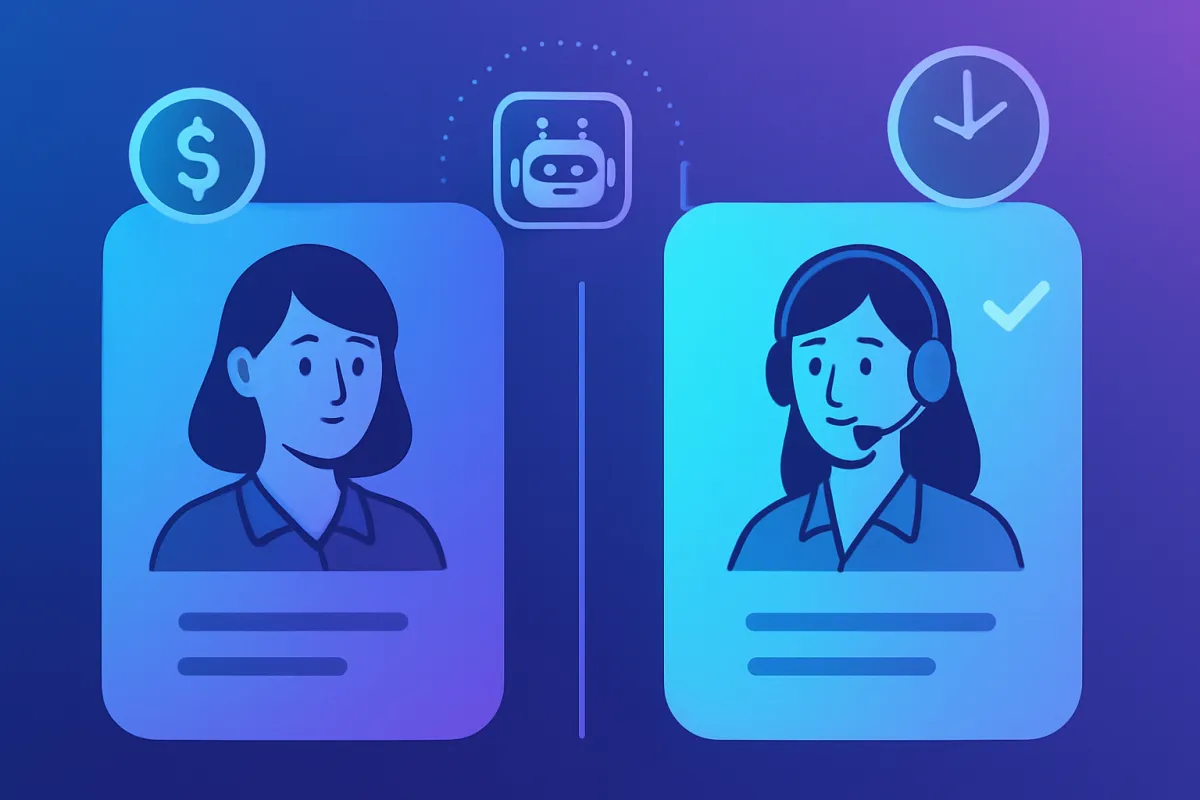
Virtual Receptionist with Free Setup: The 2026 Global SMB Guide to 24/7 AI Phone Answering
You're tired of setup fees draining your budget before you even start using a service. For small and medium businesses (SMBs), such fees can be a significant barrier to adopting new technology. The receptionist industry is notorious for these hidden costs, but there's a shift happening. Virtual Receptionist offers a game-changing solution: a virtual receptionist with free setup. In this comprehensive guide, we'll explore everything you need to know about this solution, from hidden costs to real-world use cases and ROI.
The Hidden Cost of "Setup Fees" in the Receptionist Industry
Setup fees are often a painful surprise for businesses looking to modernize their communications. These fees, ranging from $500 to $2,000, are charged for the initial configuration and customization of receptionist services. They can include anything from setting up call flows and integrating with CRM systems to training your staff.
Traditional answering services and legacy IVR systems frequently use these fees to lock you in, making it difficult to switch if the service doesn't meet your expectations. For SMBs operating on tight margins, these costs can be prohibitive. With Virtual Receptionist, you can say goodbye to these fees, allowing you to invest in other critical areas of your business growth. Learn more about why the onboarding tax is dying.
Common Pitfalls to Avoid
- Overlooking Contract Terms: Ensure you understand the terms and conditions related to setup fees, as some companies may have hidden clauses.
- Ignoring the Total Cost of Ownership: Consider ongoing costs beyond setup fees to avoid financial surprises.
- Underestimating Training Needs: Failing to allocate time and resources for staff training can lead to inefficient use of the new system.
- Neglecting System Compatibility: Ensure that the new system integrates smoothly with your existing tools to avoid operational disruptions.
What Free Setup Really Includes (And What It Doesn't)
Virtual Receptionist's free setup is more comprehensive than most assume. Here's what is generally included:
- Initial Configuration: Setting up your account, defining call flows, and customizing greetings.
- Integration with Existing Tools: Seamless integration with popular CRMs and communication tools.
- Personalization: Tailoring the virtual receptionist’s tone and responses to match your brand voice.
- Training: Resources and support to get you and your team up to speed.
However, it's essential to understand what free setup might not cover:
- Custom Development: If your business requires highly specialized features or integrations, these may incur additional costs.
- Post-Launch Changes: Significant amendments to your setup after launch might not be included in the free package.
In practice, businesses have found that even without custom development, the standard offerings of the free setup are robust enough to handle most routine operations effectively. For a deeper dive into what matters in virtual receptionist trials, check our guide on free trial vs paid trials.
Voice, WhatsApp, and Web Chat in One Shared Inbox
In 2026, customer communication isn't just about phone calls. It's about creating a seamless experience across multiple channels. Virtual Receptionist offers a single shared inbox for voice, WhatsApp, and web chat, ensuring that no message goes unanswered.
Benefits of a Shared Inbox:
- Unified Communication: Manage all customer interactions from a single platform.
- Improved Response Times: Respond faster with all messages centralized.
- Increased Efficiency: Reduce the time spent switching between different apps and systems.
For instance, a small digital agency using a shared inbox can handle client queries through WhatsApp while simultaneously managing voice calls. This integration reduces the need for multiple platforms and allows teams to focus on delivering quality service. This feature is especially beneficial for SMBs looking to streamline operations and improve customer service without additional overhead.
Five SMB Use Cases: Clinic, Agency, E-commerce, Services, Real Estate
Virtual Receptionist is versatile enough to suit various industries. Here’s how it can transform operations in different SMB sectors:
- Clinics: Handle appointment bookings, cancellations, and patient inquiries 24/7 without the need for a human receptionist.
- Agencies: Manage client communications and project updates, ensuring nothing falls through the cracks.
- E-commerce: Provide instant customer support, handle order inquiries, and manage returns efficiently.
- Services (e.g., plumbing, electrical): Dispatch service calls and manage field staff schedules seamlessly.
- Real Estate: Capture leads from property inquiries and schedule viewings, maximizing agent productivity.
Each of these industries benefits from a virtual receptionist's ability to handle routine inquiries, freeing up your team for more strategic tasks. For example, an e-commerce company that utilizes this service can see a marked improvement in customer satisfaction due to faster response times and more efficient handling of customer issues.
Migrating from a Legacy IVR or Human Answering Service
Switching from outdated systems to a virtual receptionist can seem daunting. However, the transition is smoother than you might expect:
- Data Migration: Easily transfer your existing customer data and call logs to the new system.
- Minimal Downtime: With Virtual Receptionist, implementation is quick, ensuring your business remains operational.
- User Training: Comprehensive training programs ensure your team can fully utilize the new system from day one.
The process often begins with a thorough assessment of your existing systems to identify key areas for improvement. This ensures that the transition not only meets current needs but also aligns with future business goals. For businesses burdened by clunky legacy systems, the shift to a virtual receptionist is not only cost-effective but also a step towards enhanced efficiency. Consider our article on multi-language AI receptionists for further insights.
ROI Math: When a Virtual Receptionist Pays for Itself in Week One
The financial impact of adopting a virtual receptionist can be significant. Here’s a simple ROI calculation:
- Cost Savings: Eliminate the need for a full-time receptionist, saving upwards of $3,000 per month in salary and benefits.
- Increased Revenue: Capture more leads and handle more customer interactions, potentially increasing revenue by 20%.
- Efficiency Gains: Automate routine tasks, allowing staff to focus on revenue-generating activities.
For many SMBs, these combined factors mean that the virtual receptionist pays for itself within the first week of implementation. A concrete example is a real estate agency that, by adopting a virtual receptionist, was able to capture 30% more leads, directly contributing to their bottom line. The ability to scale customer interactions without scaling costs is a game-changer.
FAQ
What is the typical setup time for a Virtual Receptionist? The setup process usually takes between 24 to 48 hours, depending on the complexity of your requirements.
Can the virtual receptionist handle multiple languages? Yes, many virtual receptionist services offer multi-language support, which can be crucial for businesses serving diverse communities.
Is there a limit to the number of calls the system can handle? Most virtual receptionist systems are designed to handle a high volume of calls simultaneously, ensuring no customer goes unanswered.
How secure is the data handled by the virtual receptionist? Security is a top priority. Virtual Receptionist services typically comply with industry standards and regulations to ensure your data is protected.
Ready to transform your business communications? Experience the benefits of a Virtual Receptionist with free setup by signing up here.